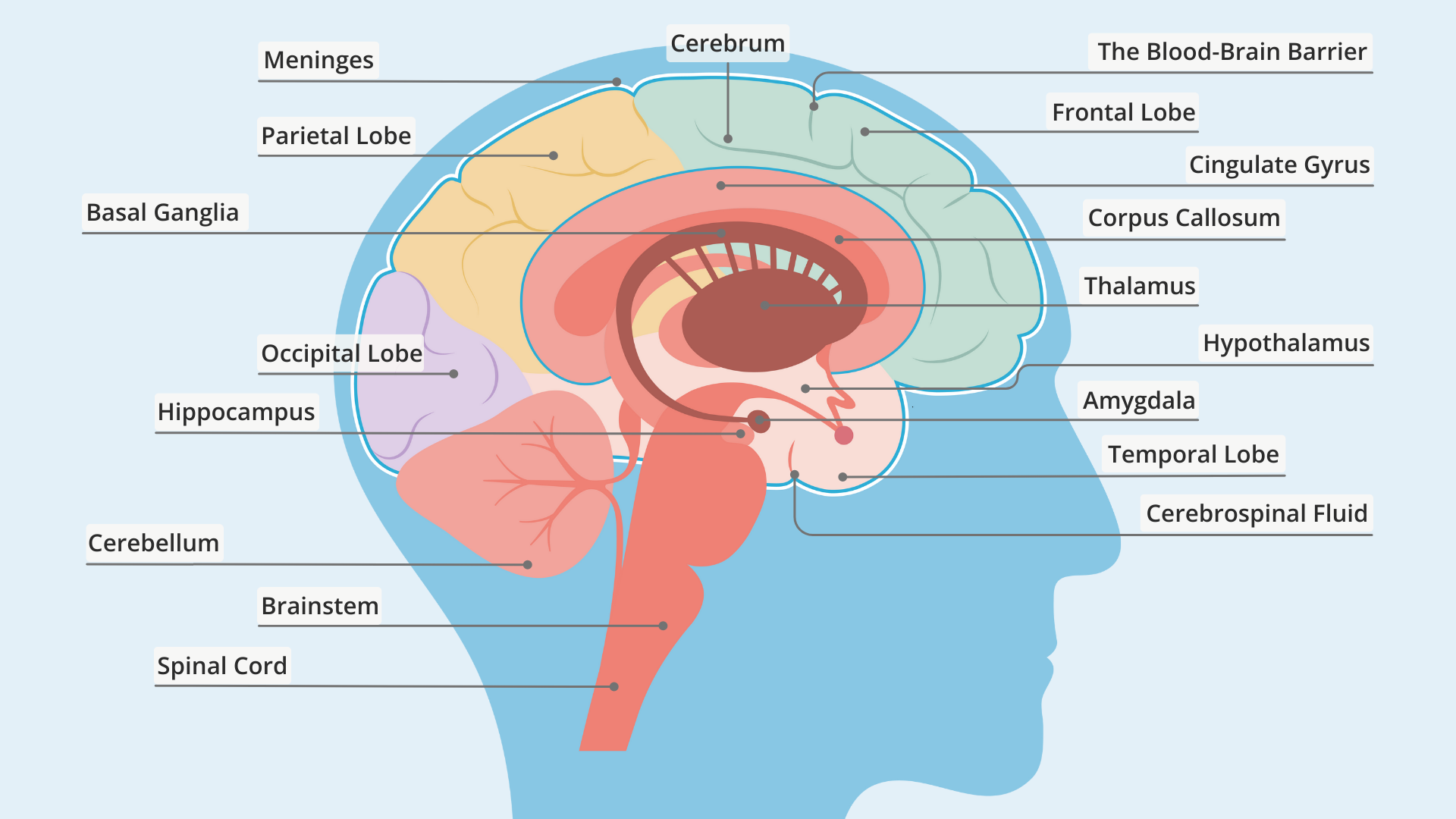
A child’s brain is delicate, powerful, and constantly developing. Every sound they hear, every word they speak, every skill they learn depends on the health of their nervous system. When seizures occur—whether mild, brief, or infrequent—the impact on a child’s brain can be more serious than many parents realise.
Understanding Childhood Seizures
Seizures happen when there is an abnormal surge of electrical activity in the brain. In children, this can be triggered by fever, infections, sleep deprivation, metabolic imbalance, trauma, or chronic medical conditions such as epilepsy.
Many parents overlook early warning signs, assuming the child will “outgrow it.” But repeated or untreated seizures can interrupt brain development, affect memory, slow learning, and increase the risk of long-term neurological challenges.
Why Early Attention Is Critical
The developing brain is more sensitive than the adult brain. Every episode of uncontrolled seizure activity affects communication between neurons. Over time, this can lead to:
- Learning difficulties
- Delayed speech
- Poor concentration
- Behavioural challenges
- Increased risk of future seizures
Early diagnosis, proper monitoring, and consistent treatment are essential for protecting the child’s cognitive and emotional development.
How Parents Can Protect Their Children
Parents play the biggest role in guarding the brain health of a child living with seizures. These steps make a major difference:
1. Don’t ignore unusual signs
Staring spells, sudden falls, shaking, blanking out, stiffening, or sleep disturbances may be signs of seizure activity.
2. Seek medical evaluation immediately
A paediatric neurologist can help determine the cause, type, and best treatment approach.
3. Ensure proper medication adherence
Skipping doses or stopping medication without medical advice can trigger dangerous seizures.
4. Maintain regular medical checkups
Monitoring helps doctors adjust treatment as your child grows.
5. Create a seizure-safe environment
Avoid high-risk areas (heights, deep water), supervise during sleep, and educate caregivers and teachers.
6. Support the child emotionally
Children with seizures often feel different or embarrassed. Love, understanding, and encouragement helps build confidence.
Hope for Every Child
Seizures and epilepsy are not a sentence. With timely care, children can live fully, grow normally, and achieve their dreams. The goal of the Seizure & Epilepsy Foundation (SEF) is to ensure that no child is left without help simply because their family cannot afford treatment.
Through awareness, support programs, and access to medical guidance, SEF is committed to protecting the brains — and futures — of children across Nigeria and beyond.
If you suspect your child may be experiencing seizures, seek help immediately. Early action saves the brain. Early treatment saves the future.